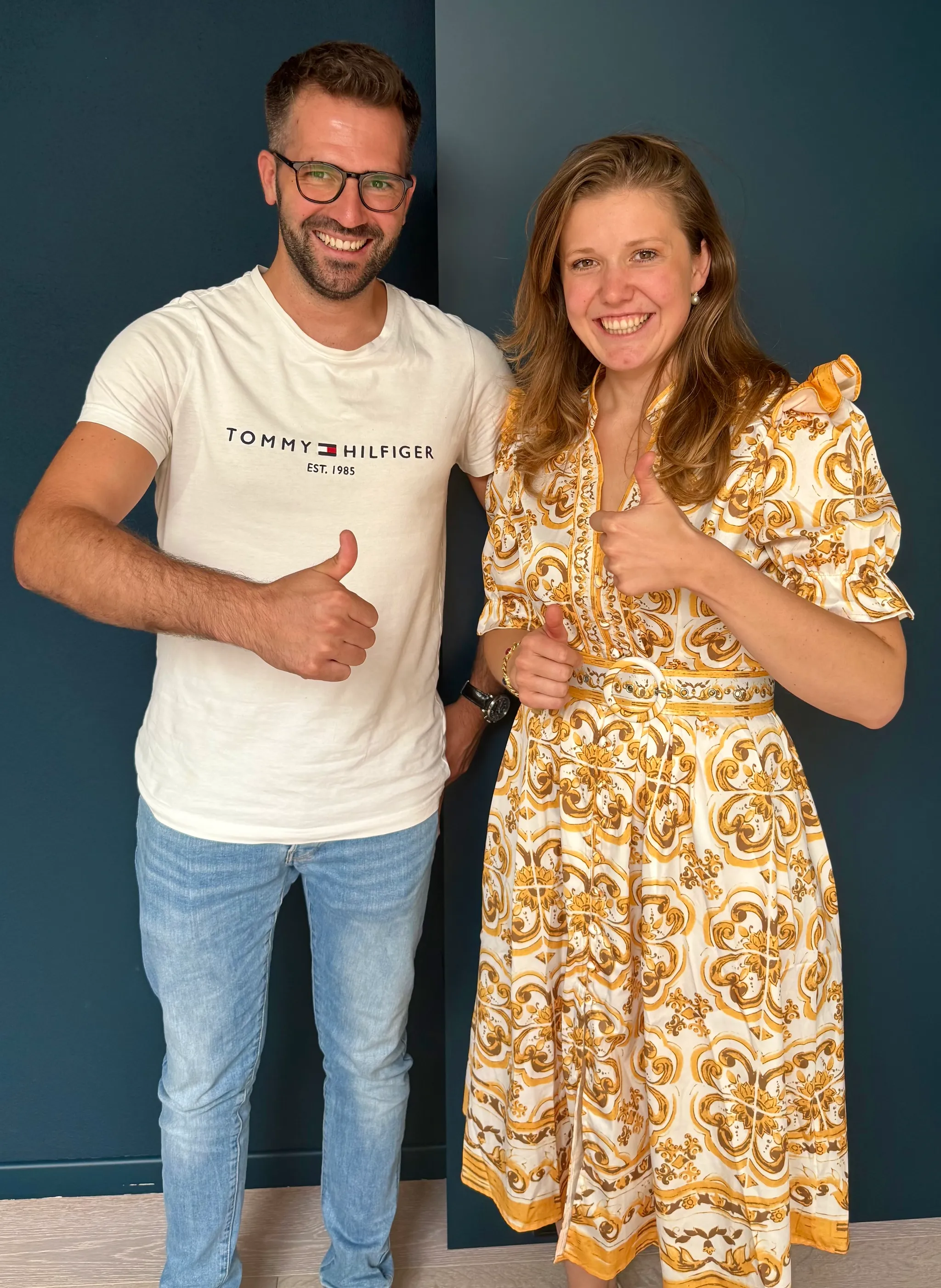
Student engagement is often seen as a side issue. But Wüst demonstrates just how vital the student voice can be. As president of the official student representation at the OST campus in St. Gallen, he regularly brings key concerns into dialogue with university leadership: "I’m the point of contact for all students when it comes to conversations with the university leadership."
From Microwaves to Learning Spaces
Together with a team of eleven committed peers, Wüst advocates for a student body of around 3,000 people. The issues they raise range from microwaves in the cafeteria to learning space hours and broader initiatives like more transparent exam review policies.
Wüst talks about conversations with the rector, structured exchanges in official committees, and informal check-ins over coffee:
"That’s where we really get into it: What can we improve?"
One of his current priorities is reforming the exam review process. The goal: more time and transparency so students can better reflect on their performance and learn from mistakes. For Wüst, it’s a prime example of how individual voices can drive systemic change.
Diversity also plays a role in everyday university life, as Wüst says: "We set up a space where students can pray or just take a quiet moment."
Student perspectives often uncover needs that might otherwise go unnoticed. "Our student body is diverse. Everyone brings something different and needs something different – and that’s what makes us strong."
Practice Orientation: Part-Time vs. Full-Time Students
As a master’s student in Business Administration with a focus on Circular Economy, Wüst is writing his thesis on the use of AI in procurement. His question: How can AI improve procurement processes in Eastern Swiss manufacturing companies? He’s conducting 13 interviews – two of them within his own company.
"I chose a topic that will be useful in my future career."
At universities of applied sciences, part-time study is common – and for many, this opens direct access to practice-based data, questions, and industry contacts. Full-time students, on the other hand, often have to build those bridges themselves – a significant extra effort.
"There’s still untapped potential," says Wüst, who advocates for more accessible support: from suggested thesis topics to targeted matchmaking with companies. Practical experience, he believes, shouldn’t depend on employment status.
Study. Shape. Celebrate.
What defines Wüst is his blend of vision, structure,and lived commitment. Whether co-organizing the Brückenfest, hosting a Daydance, or contributing to university strategy – he moves confidently between academic and professional worlds.
His motivation? "I have a picture at home that shows my dream. That keeps me going." Add to that: smart goals, physical balance, and a strong network. For Wüst, engagement isn’t about prestige – it’s about creating impact and growing along the way.
"Don’t set your goals too high – but when you reach them, you should celebrate."