The University of Neuchâtel may be a relatively smaller university – home to around 5,000 students – but its size fosters a culture of exchange, openness, and interdisciplinarity.
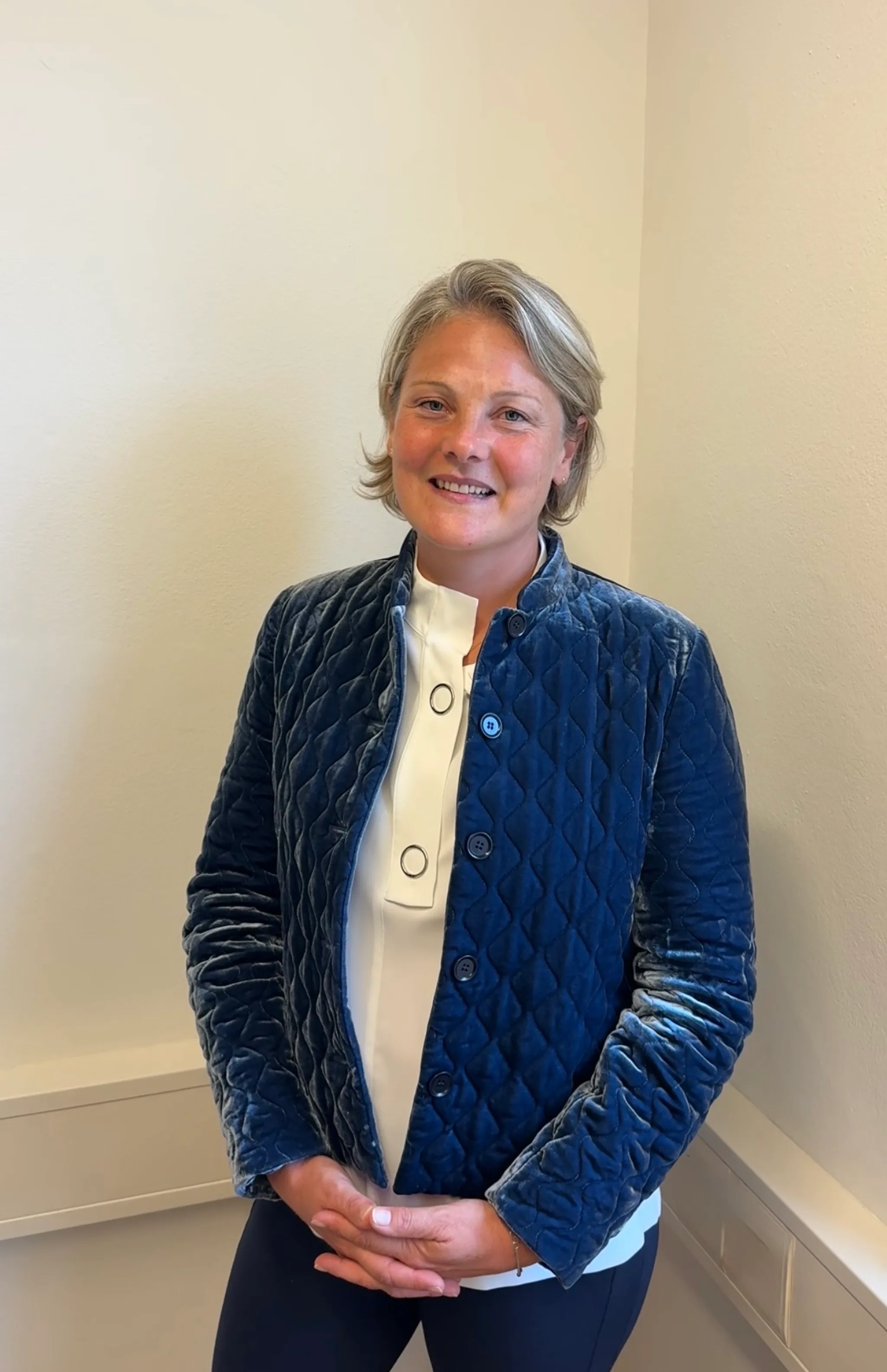
Prof. Dr. Emmanuelle Reuter conducts research and teaches as a Professor of Innovation Management and serves as the Head of the Master’s program in Innovation Management.
After academic and research roles in France, eastern Switzerland, and the U.S., she came to Neuchâtel with a clear mission: to design teaching and research that are not only academically rigorous but also socially impactful. “What excites me is the variety of tasks. I truly enjoy balancing intensive research with direct interaction with students,” Reuter says.
Her core belief: embrace complexity, but don’t get stuck in theory. Especially in strategic innovation, staying attuned to social and technological developments is crucial. “The academic world depends on discipline, but it also needs openness to new perspectives,” she explains.
Innovation Management in Higher Education
As a professor of innovation management, Reuter sees universities in a pivotal role: not only conducting research but also embodying innovation in their own structures – particularly in response to AI, new learning formats, and shifting labor markets. “We’re seeing a shift. Employers increasingly expect graduates to arrive with practical implementation skills. We have to respond to that.”
For her, innovation in teaching means empowering students to not just reproduce knowledge but to transfer and apply it. That requires enabling interdisciplinarity, questioning academic routines, and embracing evolving student roles. “We need to balance sound theory with real-world applicability,” Reuter emphasizes. Something she aims to integrate throughout her master’s program.
Connecting Academia and Practice
A key focus of Reuter’s work is the collaboration between universities and industry or public institutions. At University of Neuchâtel, practice-oriented theses and co-created course formats are strongly encouraged. “We integrate real-world challenges directly into our seminars. Students work on these problems in teams, supported by both instructors and external partners.”
Internships and applied master’s theses are standard in many UniNE programs. Reuter sees this as a clear win-win: “We gain insight into real challenges, and companies benefit from structured analysis. But it requires clear expectations and a solid conceptual foundation.”
Her recommendation? More platforms to make challenges, needs, and skills visible. “Academia and practice often speak different languages. That’s why we need more formats that foster exchange.”
AI in Thesis Work: A Field for Experimentation With Responsibility
Few topics are shaking up higher education like the role of AI in academic writing. Reuter is watching these developments with thoughtful pragmatism: “We’re still in the early stages. What matters most is equipping students to use AI competently and responsibly.”
The challenges? Uncertainty about how to handle AI-generated outputs, a lack of transparency in its use, and a tension between creativity and automation. Reuter’s approach: “Transparency, openness, and clear standards. We shouldn’t ban these tools but rather contextualize, explain, and guide their responsible use.”
At the same time, she sees huge potential, especially for simulating scenarios or analyzing complex data. “Students need to know these tools and learn to question them critically. Then they become assets, not threats.”
Looking Back: What a PhD Teaches You
Reflecting on her PhD journey, Reuter describes it as an intense and formative experience:
“A PhD is like an ultramarathon. You need stamina, intrinsic motivation, and the ability to work through uncertainty.”
Her biggest takeaways? Learning to handle criticism, working with feedback, and never losing sight of the bigger picture.
These lessons shape how she now supports students, especially during their thesis work: “It’s not just about mastering methodology. What matters is whether someone has the courage to truly engage with a question.”